
Copyright © 2026 Noor-ul-Emaan School, All rights reserved.
Choosing a school for your son is about more than comparing fee schedules and classroom photographs. You want strong academic foundations, a clear route towards Matric, and teachers who notice when a child needs extra support. You may also want your son to grow up with respect, discipline, good manners and a meaningful understanding of the Quran.
For many families, an Islamic school for boys in Karachi offers a way to bring these priorities together. The right school should not ask parents to choose between academic progress and Islamic character. It should show how both can be part of the same daily experience.
This guide explains what to look for, what questions to ask during a campus visit and how Noor-ul-Emaan School’s Boys Campus is designed to support boys from their early school years through Class 10
Full curriculum with daily Quranic learning
Individual attention for every child
Separate campus with discipline and mentorship
Central location on Al-Falah Road
The primary and secondary years shape much more than a child’s report card. Boys become more independent, develop stronger friendships and begin to form habits that can influence their confidence, behaviour and future decisions. Parents often look for a school environment that supports this growth with consistent guidance.
These expectations are not a substitute for checking the school in person. A campus visit helps you see whether the stated values appear in everyday routines, classroom interactions and communication with parents.
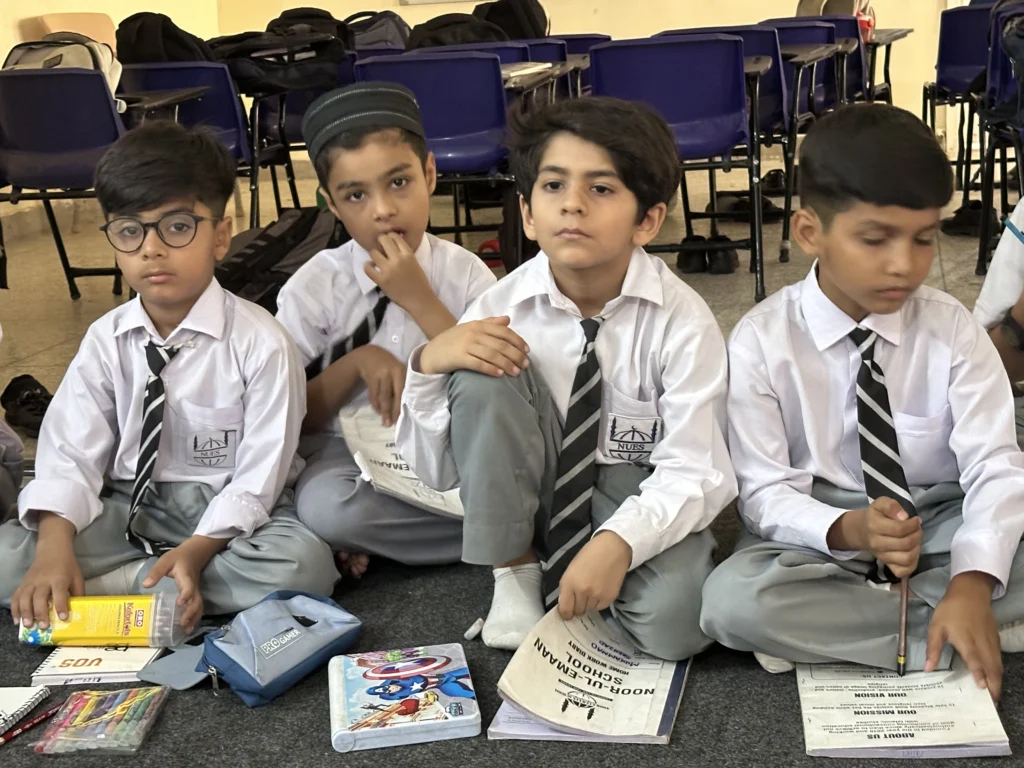
Islamic education should complement academic learning, not weaken it. Ask which board the school follows, how teachers prepare students for examinations and how the school supports children who need more time with a subject. For families planning for Matric, a clear Karachi Board pathway can make the next steps easier to understand.
For more detail about the older years, explore the Secondary Education programme, which focuses on academic habits, independent thinking, communication and future readiness.
Parents can also check the official Board of Secondary Education Karachi website for board-level information and services.
Recitation is important, but children also benefit when they understand what they read and connect it with everyday conduct. Ask how Quran, Hadith and Islamic Studies are taught at different ages. A strong programme should help students connect Islamic learning with honesty, respect, responsibility and kindness in real situations.
You can read more about this approach in Islamic education and character development.
Boys need clear expectations around punctuality, attendance, uniform, classroom manners and respectful communication. At the same time, discipline should not mean that a struggling student is ignored or embarrassed. Ask how teachers respond when a child falls behind, faces friendship problems or needs help with confidence.
Counselling and regular parent communication can make a meaningful difference, especially during the secondary years. UNICEF’s education resources also emphasise the importance of learning environments that help children build knowledge and skills for life.
Explore UNICEF’s education resources for broader context on quality learning and adolescent skills.
Many boys learn well when they can discuss, move, build, compete and apply ideas beyond a worksheet. Ask about sports, competitions, educational visits, presentations and other activities. These experiences can help students practise teamwork, communication and leadership while keeping school life engaging.
A morning assembly, classroom presentation or educational visit may look small on its own, but regular opportunities to participate can help a quiet student become more confident over time.
During a campus visit, ask about CCTV, security staff, visitor access, break-time supervision and the process for student pick-up and drop-off. If your son will travel by school van, ask whether the route covers your area, how timings are managed and who parents should contact if a problem occurs.
Parent tip: During your campus visit, watch how teachers handle an energetic or restless boy. A good school guides that energy with patience and clear rules, not constant scolding. How a school manages boys on a busy day tells you more than any prospectus.
Noor-ul-Emaan School presents a combined academic and Islamic education model for families in PECHS, Karachi. The school describes separate Girls and Boys campuses and places its Boys Campus at 64N, Al-Falah Road. Before publishing this article, the school should confirm the current address, class availability and admission status for the relevant academic year.
The school’s About page explains its concept-based approach, Islamic values, counselling support and focus on character development.
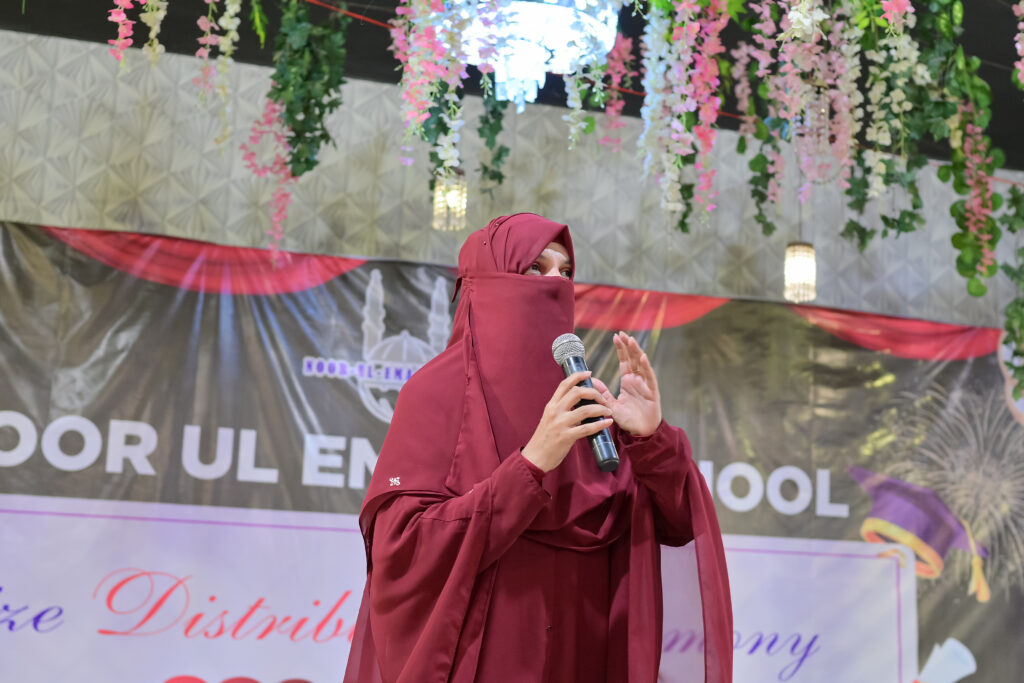
The school’s published pathway covers Pre-Primary through Class 10. Boys build core skills in the primary years before moving into secondary education, where study habits, independent thinking, communication and Karachi Board preparation become increasingly important.
Families with younger children can review the Pre-Primary Education programme, while Classes 1–5 are covered in the Primary Education programme.
According to the school’s published information, students study English, Urdu, Mathematics, Science and other core subjects alongside Islamic Studies and Quranic learning. Progress is monitored through class performance, tests, assignments and yearly examinations.
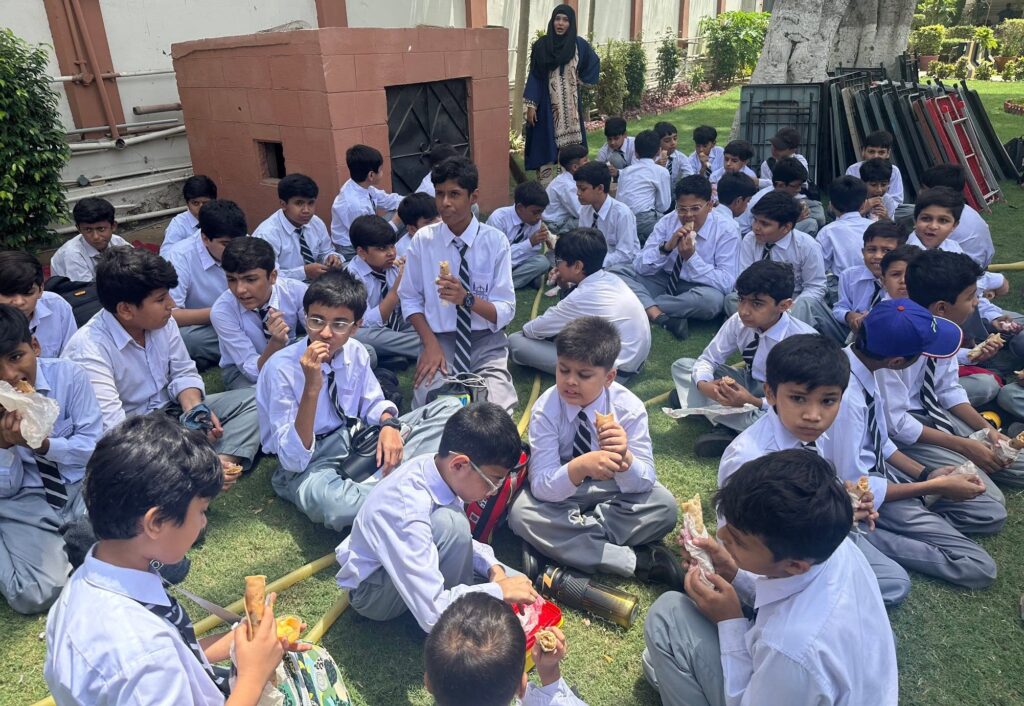
A child may memorise a definition for a test and still struggle to explain it in everyday language. Concept-based learning takes a different route. Students are encouraged to ask why and how, connect lessons with real situations and use what they know in a new example.
This approach can make learning more durable. In Mathematics, a child may solve a real-world problem instead of repeating a rule. In Science, students may observe and discuss what happens before memorising a definition. In English and Urdu, they may explain an idea in their own words. In Islamic Studies, they can connect a lesson with manners and daily choices.
Read the related story, Why Hira Stopped Cramming: Concept-Based Learning in Primary School, for practical examples.
For families considering Hifz, the key question is not only when memorisation begins. It is also how the programme supports accurate recitation, revision, academic continuity and the child’s wellbeing. Noor-ul-Emaan’s published information describes Hifz-ul-Quran as an optional programme starting from Class 1, with students continuing compulsory subjects such as English, Urdu and Mathematics. Parents should confirm the current structure, eligibility and daily timetable directly with the school.
Our guide on What Age Should a Child Start Hifz-ul-Quran? explains why readiness matters more than comparing one child with another.
Teenage boys may not always explain when they are struggling with Mathematics, friendships, confidence or future choices. Regular counselling and a dependable parent–school relationship give students more than one route to support. Ask how often parents receive progress updates, when meetings are held and who to contact if an issue needs attention before the next scheduled meeting.
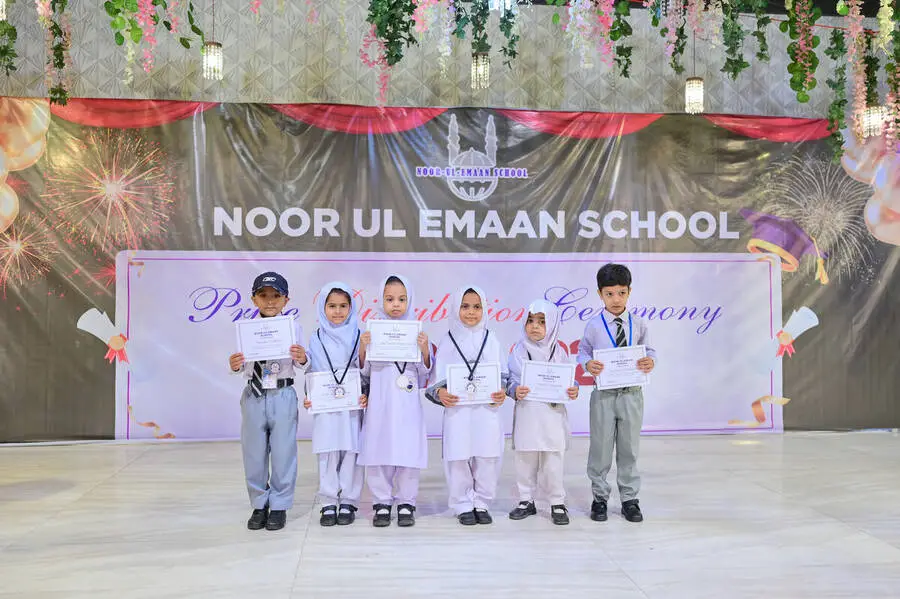
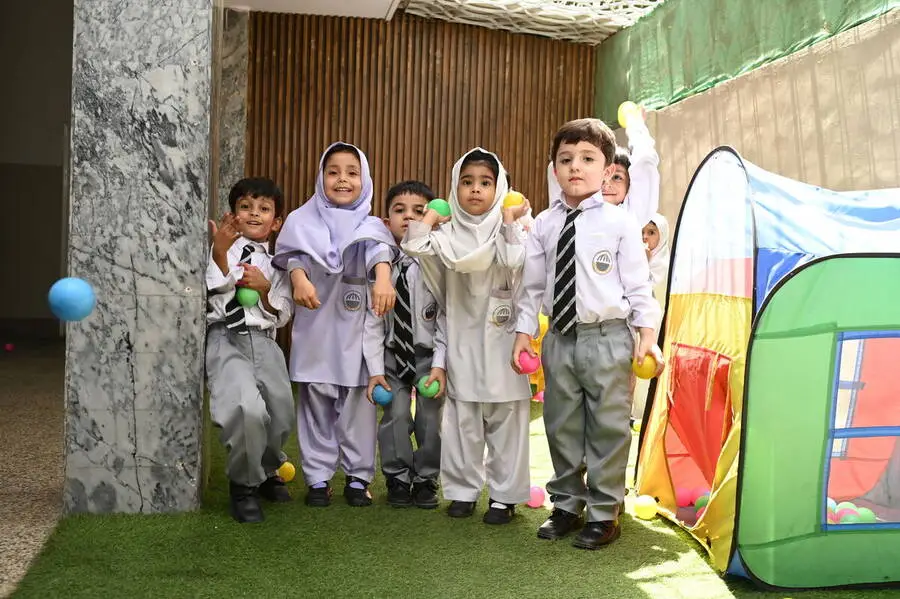
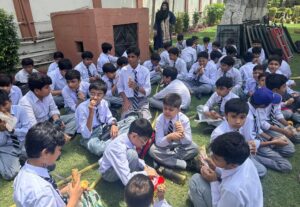
A separate Boys Campus can give the school room to plan routines, activities and mentoring around the students it serves. Some boys participate more freely, ask more questions and take on leadership roles when they feel comfortable in their learning environment. This is not a reason to choose a school without visiting it; it is a question to explore during the visit.
Ask to observe a classroom, meet the admissions team and understand how the school balances academic expectations, Islamic learning, discipline, sports and student wellbeing. The best fit is the one that matches your son’s needs and your family’s practical routine.
The school’s general published schedule is Monday to Friday, approximately 7:45 a.m. to 1:40 p.m., although timings may vary by class. Confirm the current schedule directly before applying.
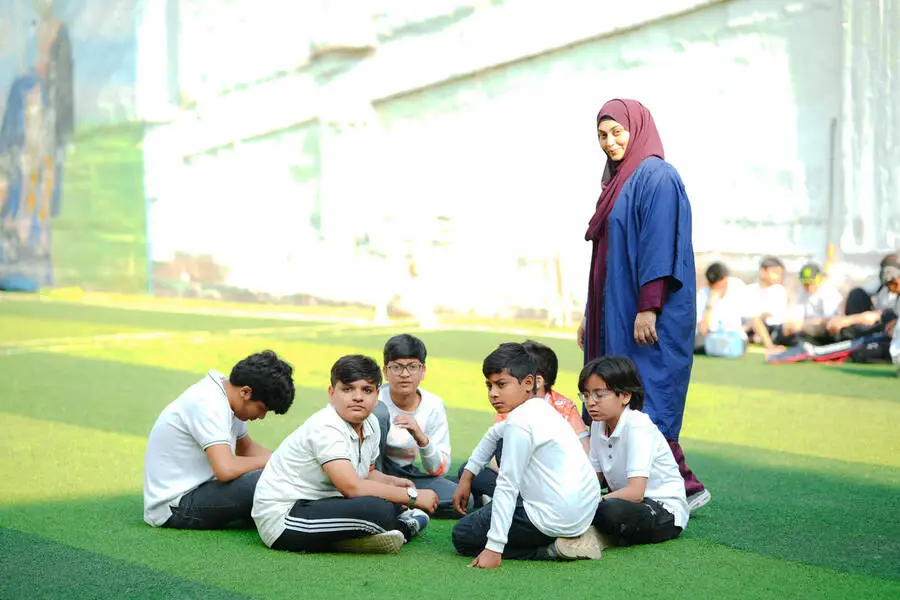
Noor-ul-Emaan School describes a four-step admission journey: submit an enquiry, book a campus visit or entry test, provide the required documents and receive admission and fee guidance.
Start with the NUE admission page or contact the school directly to confirm current classes, timings, eligibility and availability.
The school describes separate Girls and Boys campuses in PECHS Block 2, Karachi. The Boys Campus address and current class range should be confirmed with the admissions team before you visit.
The school prepares students for the Karachi Board pathway and Matric examinations.
No. The school presents Hifz-ul-Quran as an optional programme beginning from Class 1. Students in the programme continue core subjects, including English, Urdu and Mathematics, according to the school’s published information.
The school states that classes average around 20 students, with a student-to-teacher ratio of approximately 10:1. Ask the admissions team how the ratio is calculated for your son’s class.
The school states that vans provide pick-up and drop-off from various areas of Karachi. Confirm route coverage, timings, charges and the daily transport process for your area.
Choosing an Islamic school for boys in Karachi is ultimately about finding the right balance for your family. Your son needs academic preparation, but he also needs patient guidance, positive routines, good role models and a place where he can ask questions and develop confidence.
Noor-ul-Emaan School brings together Karachi Board preparation, concept-based learning, Quran with Tafseer, optional Hifz and character development. The most useful next step is to visit the Boys Campus, ask practical questions and speak with the admissions team about your son’s class and goals.