
Copyright © 2026 Noor-ul-Emaan School, All rights reserved.
Home » How to Choose the Right Islamic School in Karachi
Knowing how to choose an Islamic school is one of the most important things a parent in Karachi will figure out. You’re not just comparing classrooms or school timings. You’re choosing the place that will shape how your child learns, speaks, prays, makes friends, handles challenges and understands responsibility. The right school should give your child a strong academic foundation and a clear sense of Islamic character, side by side.
Most parents start their search by typing “Islamic school in Karachi” into Google. But the more useful question is a personal one: which school will help my child grow with faith, confidence, curiosity and good habits?
The honest answer rarely comes from a brochure. Visit the campus, watch how teachers speak to children, ask about classroom learning, understand the daily routine and see whether the school’s values show up in what it actually does.
At Noor-ul-Emaan School, we take this question seriously. Our approach brings together mainstream education, Islamic Studies, Quranic learning, character building and child-centred activities. This guide walks you through what to look for, which questions matter most and how to compare schools with confidence. At the end, you’ll find a simple scoring sheet you can use on every visit.
Full academic curriculum with daily Quran and Islamic Studies
Around 20 students per class, so every child gets attention
Dedicated Girls and Boys campuses in PECHS Block 2
One school from Nursery through to Class 10
A school can be busy with books and tests and still not feel right for your family. So before asking about fees or syllabus, take a moment to think about the habits and qualities you want your child to build. Maybe you want them to speak respectfully, understand Islamic manners, feel comfortable asking questions, read with real understanding, handle friendships kindly and take ownership of their work.
Good Islamic education connects knowledge with conduct. It helps children see why honesty, cleanliness, patience, gratitude and respect matter in everyday school life. If you’d like to understand this balance in more depth, read our guide on why families choose Islamic education in Karachi.
During your search, read each school’s About page, then ask the team how those values actually appear in classrooms, assemblies, teacher guidance and parent communication.
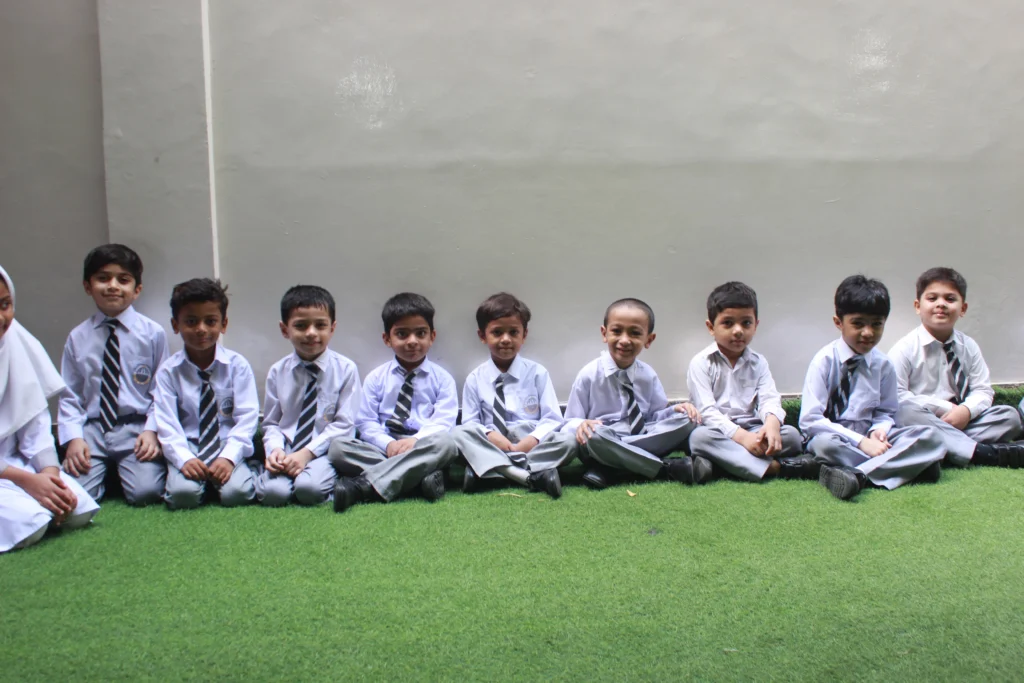
The right school doesn’t ask children to choose between strong learning and strong values. It helps them grow through both, every day.
Every family has different priorities, but a simple checklist stops you from making a rushed decision. Use the seven points below while comparing schools, and write down your thoughts after each visit instead of relying on first impressions.
Ask how the school balances Islamic Studies, English, Urdu, Maths, Science, reading, activities and character building across the week. A good answer should be practical and specific, not just a list of subjects.
Be cautious if Islamic subjects seem to replace core academic time, or if Islamic Studies is limited to a single period with no link to daily school life. The best schools treat both as part of one complete education.
Find out how Quran, Hadith, Islamic Studies and, where offered, Hifz are taught at different ages. Ask how the school keeps lessons age-appropriate and makes sure children understand what they recite, not just memorise it.
If you are considering Hifz, ask whether it is optional, when it starts, how academic subjects continue alongside it and how the school decides whether a child is ready. Our guide on what age a child should start Hifz can help you prepare.
Notice whether students are only listening or also answering, discussing, reading, presenting and practising. Ask teachers how they support children who need more time or a little extra encouragement.
A classroom where children are encouraged to ask “why” and “how” usually reflects a concept-based approach. You can read more about what this looks like in our article on concept-based learning in primary school.
Ask about drop-off and pick-up, visitor rules, break-time supervision, transport and how parents can report a concern. Safe and inclusive learning spaces are central to a child’s wellbeing, as UNESCO’s work on safe learning environments highlights.
Ask how you’ll hear about progress, behaviour, homework and school events. Regular, respectful communication means home and school are pulling your child in the same direction.
Think about location, transport routes, timings, meals, prayer routines and how long your child will spend travelling each day. A school has to fit your family’s life, not just your educational goals.
Use the school’s admission page to ask about a visit or the entry process. Take your questions in writing and give yourself time to notice how the school feels in practice.
For younger children, many parents assume a serious school means more worksheets, early writing drills and quiet desk work. In reality, a strong early-years programme also includes purposeful play, conversation, exploration, movement, storytelling, drawing and hands-on problem solving. These experiences build language, fine motor control, confidence and social skills before formal learning becomes more demanding.
Look for these four signs in a good pre-primary programme:
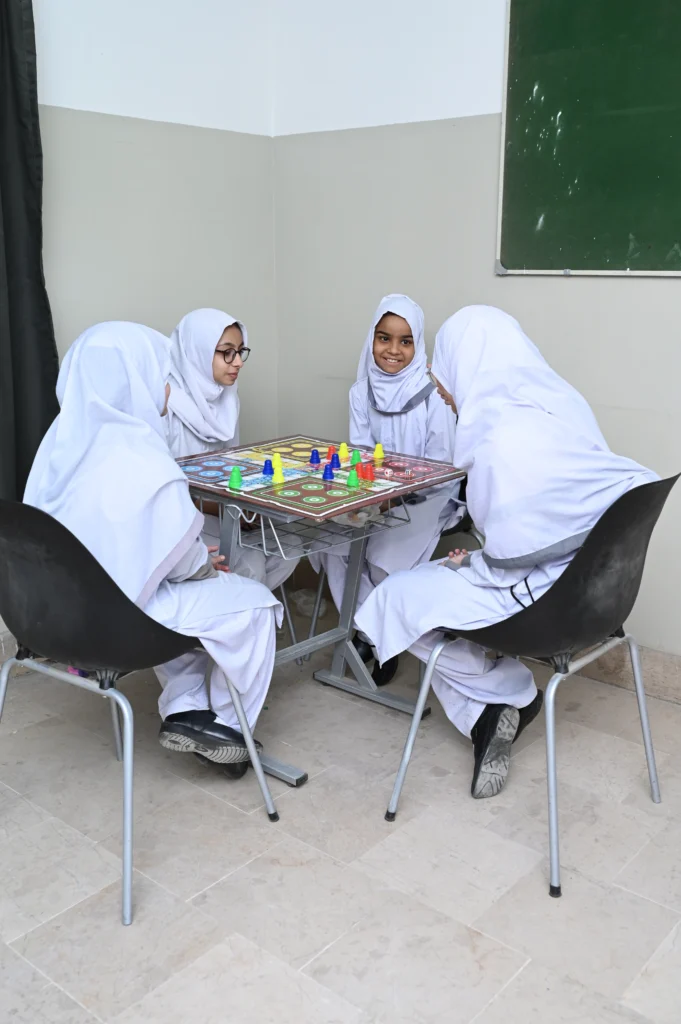
See what this looks like in practice in our article on activity based learning in pre-primary.
In the primary years, look for strong foundations in reading, writing and Maths, along with Quran taught with translation. Ask how teachers check understanding and how they support children who fall behind. Our guide on choosing a primary school in Karachi covers this stage in more detail.
For older students, ask how the school supports Karachi Board preparation, study habits, reading and responsible use of time. In secondary school, counselling, regular testing and past paper practice become especially important as students move towards Matric.
Parents naturally ask about Islamic Studies, Quran recitation and Hifz. Those questions matter. But it’s just as important to ask how children practise adab in everyday moments: how they greet each other, look after shared spaces, respond after making a mistake, speak to adults and include classmates.
A school’s culture shows most clearly in ordinary moments. Notice how staff welcome children, the tone teachers use when correcting behaviour and whether the environment feels calm and respectful. You can also read through our frequently asked questions and raise any specific concerns directly with the school team.
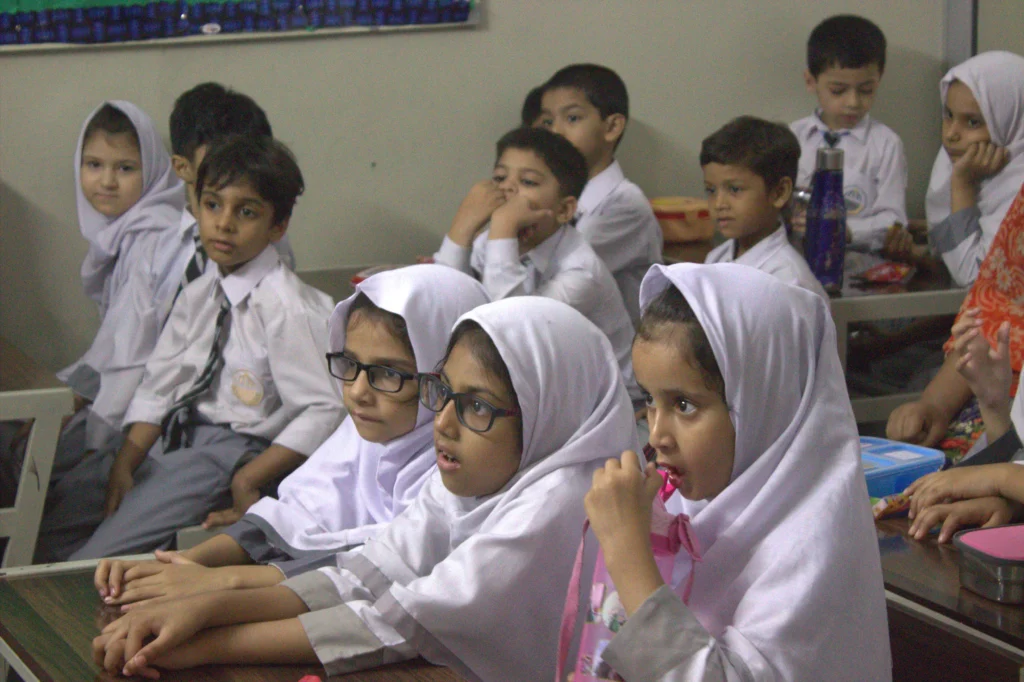
Parents often think of their best questions after the visit is over. Save these on your phone or write them down before you go. They’ll help you compare schools fairly and focus on what affects your child every day.
Question to ask | Why it matters |
How are English, Urdu, Maths, Science and Islamic Studies planned across the week? | Shows whether the curriculum is balanced and connected, rather than separate subjects working in isolation. |
How do teachers check progress and share it with parents? | You need to know how learning gaps are spotted, supported and communicated early. |
What does a normal school day look like for my child’s class? | The daily routine shows the real place given to lessons, play, prayer, reading, breaks and activities. |
What supervision and safety procedures do you follow? | Clear rules for arrival, dismissal, visitors, transport and concerns give you peace of mind. |
How are behaviour problems handled? | A calm, consistent and respectful approach teaches responsibility without fear or confusion. |
Can we see a classroom or speak with the admissions team? | Seeing the setting for yourself tells you far more than photos or social media ever can. |
Parent tip: Don’t feel pressured to decide on the day of your visit. Compare your notes, talk to your child where it makes sense and come back to the questions that matter most to your family.
Education isn’t limited to a textbook. Children also learn through presentations, competitions, reading challenges, events, art, sports and the quiet confidence that comes from finishing a task well. Ask what opportunities exist beyond the regular timetable and how the school encourages different kinds of learners to take part.
For older students, ask how the school supports Karachi Board preparation, study habits, reading and responsible use of time. At Noor-ul-Emaan, learning moves step by step from pre-primary to primary education and on to secondary school and Matric. It’s always worth confirming the latest programme details during your admission enquiry.
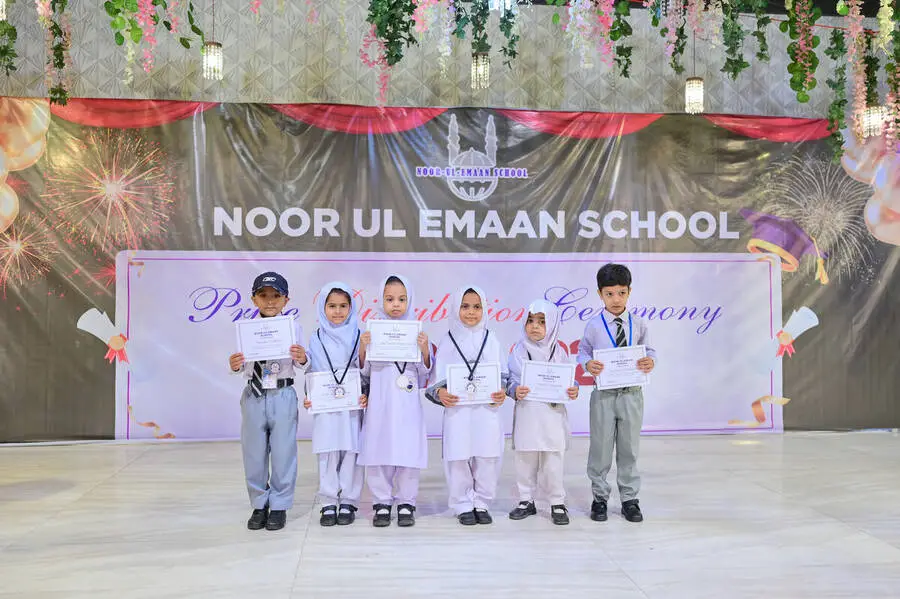
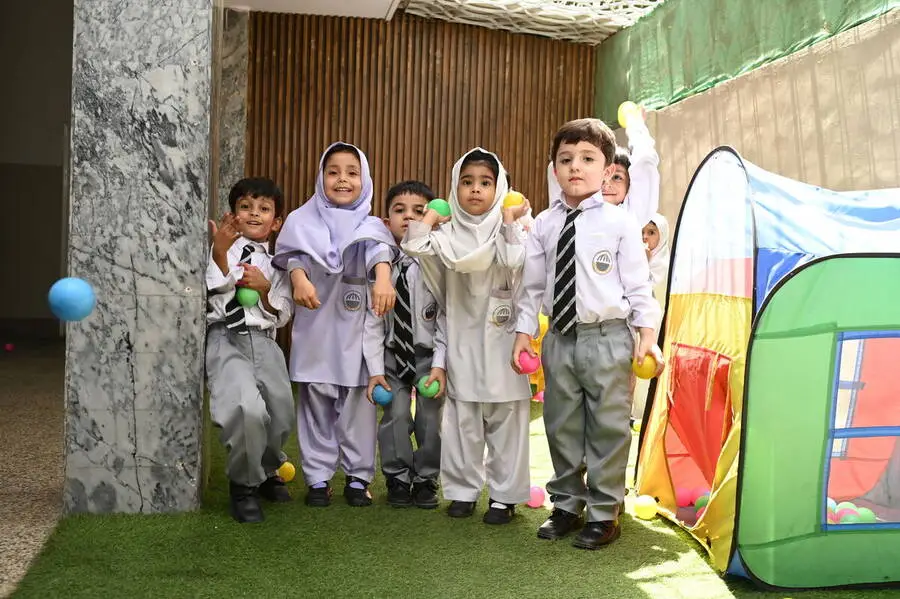
Families looking for an Islamic school in PECHS often explore Noor-ul-Emaan School because it brings together mainstream education, Islamic learning, Quran and Hadith with Tafseer, character development and concept-based teaching. Our website also shares details about activities, safety, counselling and transport.
In the end, the right fit depends on your child and your family’s priorities, so the best next step is a real conversation and a campus visit. Read our admission information, explore more articles on the school blog, or contact our team to ask about current seats, the admission process and entry assessments.
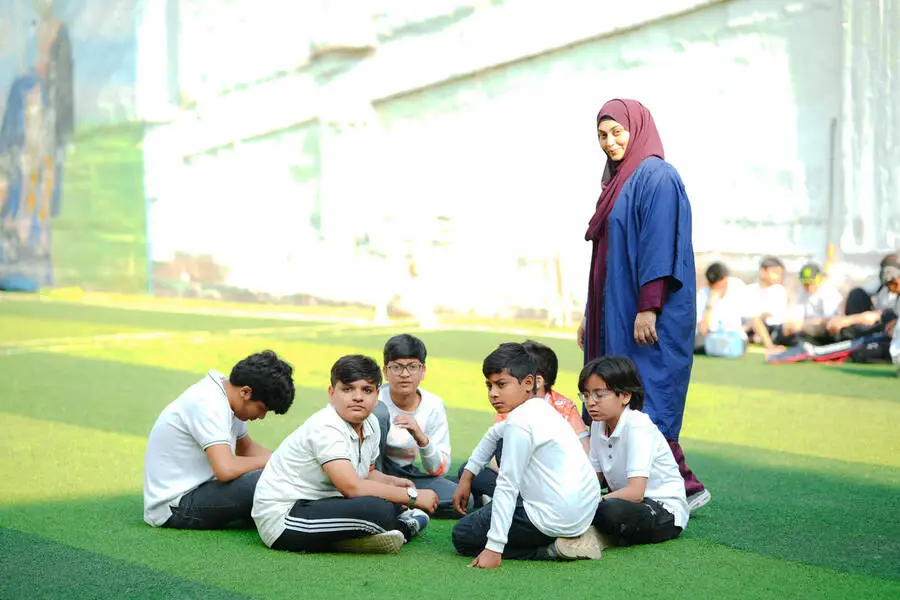
Look for a clear balance between academics and Islamic Studies, Quran taught with understanding, safe supervision, regular parent communication and a classroom culture where good manners are practised every day. A campus visit is the best way to check all of these.
Not in a well-run school. A good Islamic school teaches English, Urdu, Maths and Science properly and prepares students for board exams, while Quran and Islamic Studies are built into the same school day rather than replacing core subjects.
Look for learning through play, stories, conversation, art and hands-on activities, along with caring routines. Children should be talking, exploring and moving, not just sitting quietly with worksheets.
It’s best not to. Photos and social media only show part of the picture. Visiting lets you see classrooms, meet teachers, ask your questions and get a real feel for the school before deciding.
Fill out the form on our admission page or call 0301 205 1888 to book a campus visit. Our team will guide you through available classes, the entry assessment and the next steps.