
Copyright © 2026 Noor-ul-Emaan School, All rights reserved.
A school day is made up of small moments. A child raises a hand even though the answer may be wrong. A classmate is included in a group activity. Homework is completed without a reminder. A difficult lesson is attempted one more time. These moments may not appear on a report card, but they gradually shape the person a child becomes.
This is why many parents look beyond marks when comparing Islamic schools. They want their children to receive a sound academic education, while also developing faith, manners, self-discipline and a sense of responsibility. The value of Islamic school education is found in bringing these parts of a child’s growth together.
Full curriculum with daily Quranic learning
Individual attention for every child
Qualified female staff, modest environment
Central location on Allama Iqbal Road
The answer is not simply that a school teaches an additional religious subject. A well-planned Islamic school tries to make values part of the wider learning environment. English, Mathematics and Science remain important. So are questions, discussion, problem-solving and examination preparation. Alongside these, students are guided to think about honesty, respect, service and the consequences of their choices.
For parents, this approach can create a more consistent message between home and school. Children hear that knowledge matters, but so do the intentions behind its use. They learn that success is not only about being first; it also includes being dependable, fair and considerate.
To understand this approach in more detail, visit the Noor-ul-Emaan School About page.
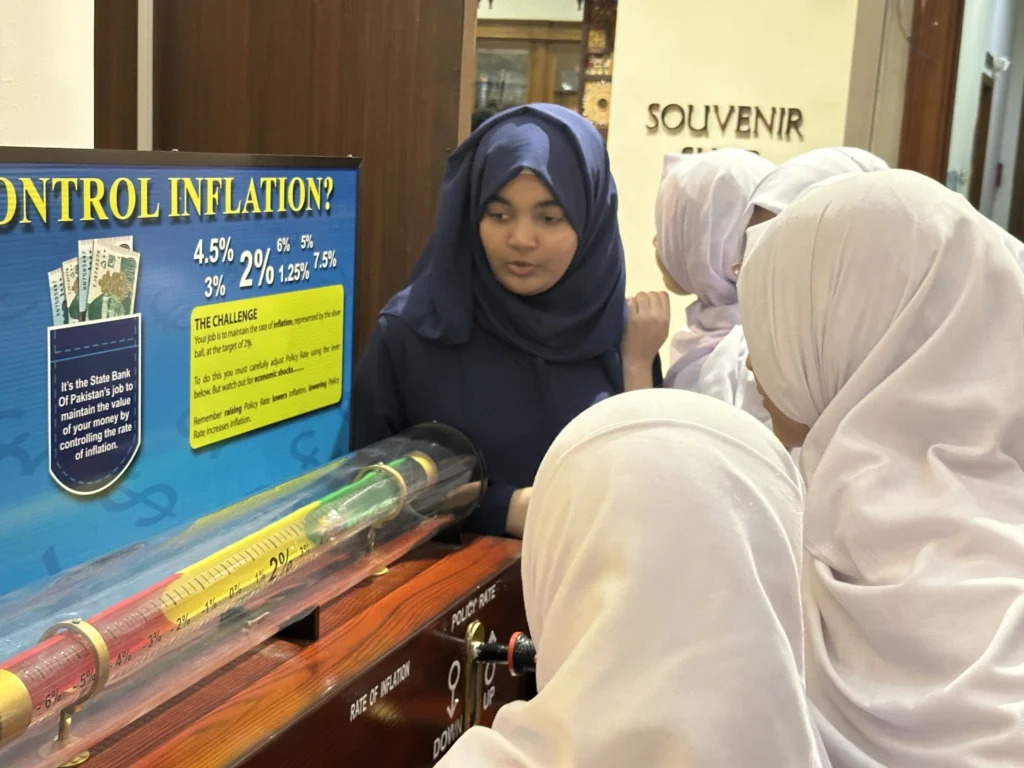
One of the clearest benefits of Islamic schools is the opportunity to combine serious academic learning with a moral framework. Students can be encouraged to understand ideas rather than memorise information for a test. They can discuss a problem, explain their reasoning and try a different method when the first one does not work.
The values taught around that learning matter too. A child who understands why honesty is important is better prepared to make the right choice during an examination. A child who learns responsibility can become a more reliable group member. In this way, academic habits and personal character strengthen each other.
Parent tip: Ask your child one simple question after school: “What did you learn about good manners today?” It keeps Islamic values part of everyday conversation at home.
Parents often ask how a school teaches character. Usually, it is not through a single speech or a poster on the wall. Character develops through repetition: greeting people respectfully, listening when someone else is speaking, caring for school property, completing work and accepting correction without giving up.
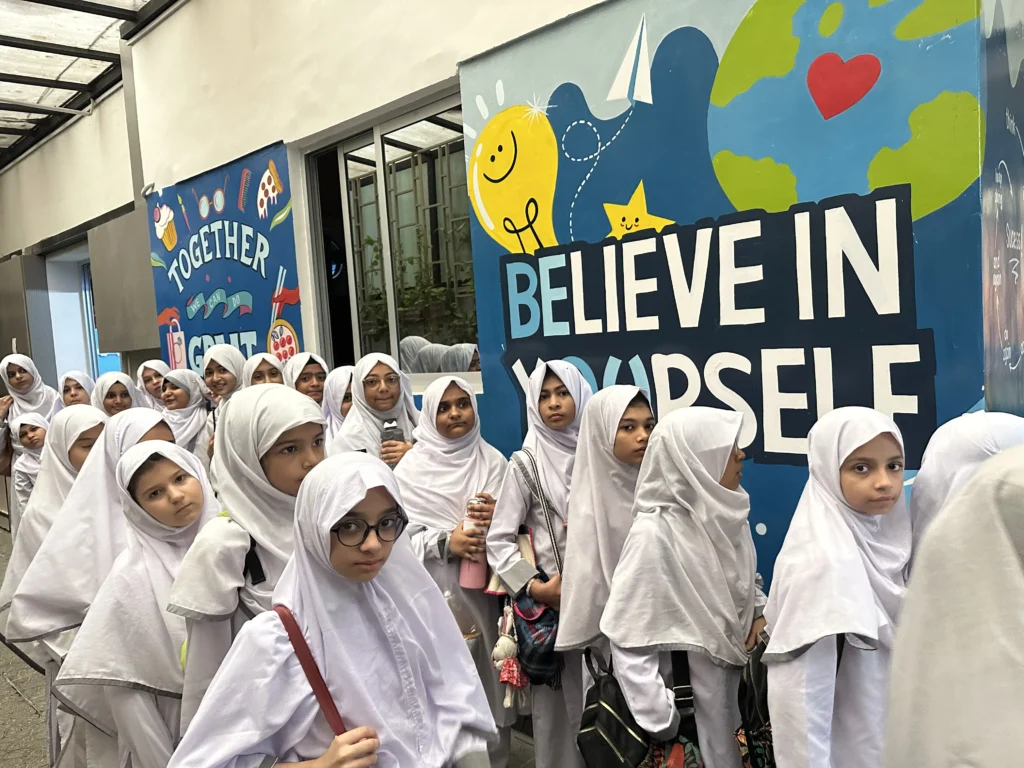
Islamic schools can make these expectations visible and meaningful. Patience, kindness, discipline and humility become qualities that students practise during ordinary lessons and activities. Over time, these habits can support children at home, in future studies and in their relationships with others.
For many families, the question “why Islamic school?” starts with a wish for their children to know the Quran and understand how Islamic teachings apply to everyday life. Memorisation may be part of a child’s learning, but meaning and reflection are important as well.
When students study Quran, Hadith and Tafseer in an age-appropriate way, they can begin to connect lessons with real situations. A discussion about truthfulness can relate to friendships. A lesson about responsibility can relate to homework. Guidance about kindness can influence the way a child treats a younger sibling or a new classmate.
At Noor-ul-Emaan School, Quran and Hadith are taught with Tafseer so that students can connect Islamic learning with manners, character and responsible living.
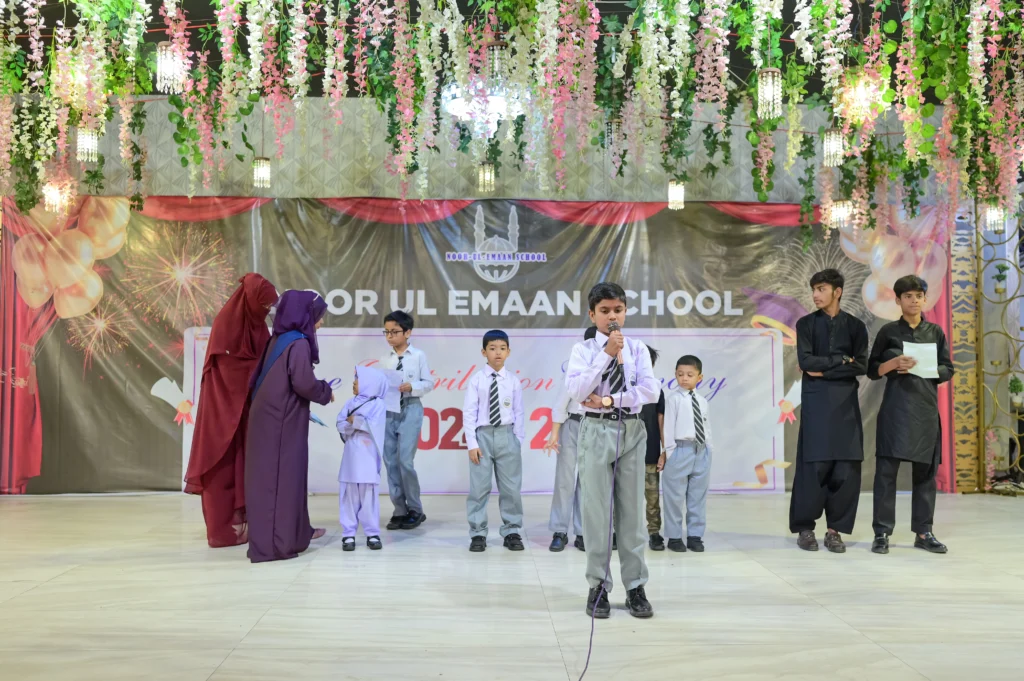
Confidence grows when children are allowed to think, speak and participate. Concept-based learning gives students opportunities to ask questions, explain an answer and learn from a mistake. A values-led environment can help them use that confidence respectfully rather than turning it into arrogance.
This balance is useful in the classroom and beyond it. Students learn to present an idea, listen to another viewpoint, work with classmates and improve their work after feedback. These are practical skills for higher education, employment and community life.
No child learns in exactly the same way. Some students need extra explanation. Others may need help with confidence, organisation or managing a change at home. Parents should therefore ask how a school communicates with families and what support is available when a child is struggling.
Counselling, parent meetings and regular feedback can make a real difference. The purpose is not to remove every challenge from a child’s path. It is to make sure the child is not left to face that challenge alone.
Parents can find answers to common questions on the school’s FAQs page.
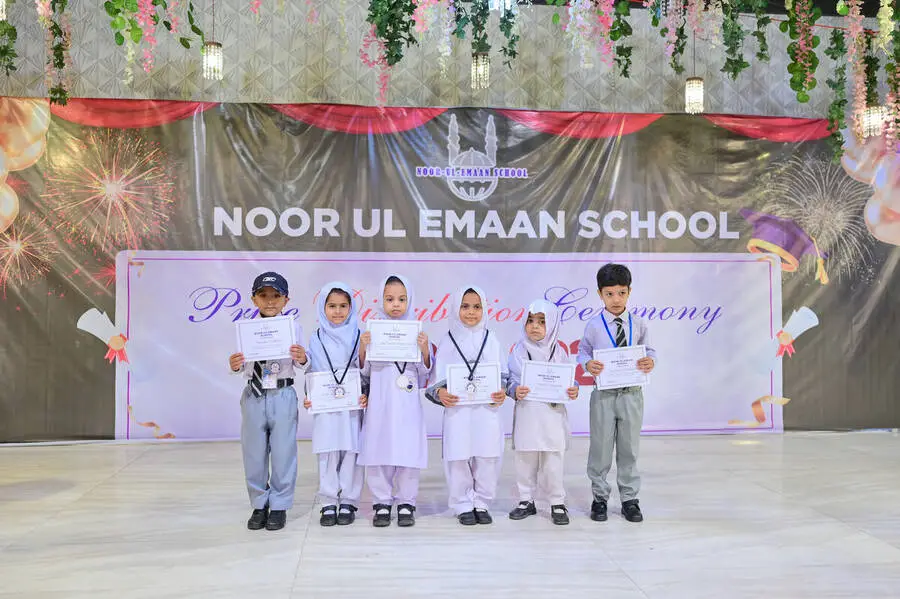
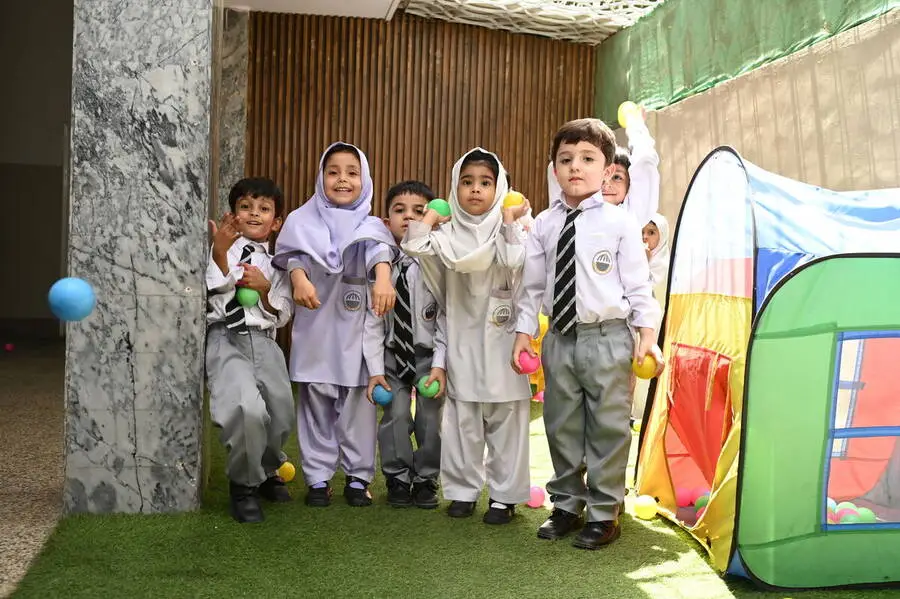
The needs of a four-year-old are not the same as those of a student preparing for secondary examinations. In the early years, children need language, social confidence, joyful routines and gentle introductions to Islamic manners. Primary students need dependable foundations in English, Mathematics, Science and communication. Older students need study skills, academic guidance and preparation for the next stage.
Noor-ul-Emaan School introduces these early foundations through its Pre-Primary Education programme.
Families can explore the next stage through the Primary Education programme.
For older students, the Secondary Education programme supports continued learning and Karachi Board preparation.
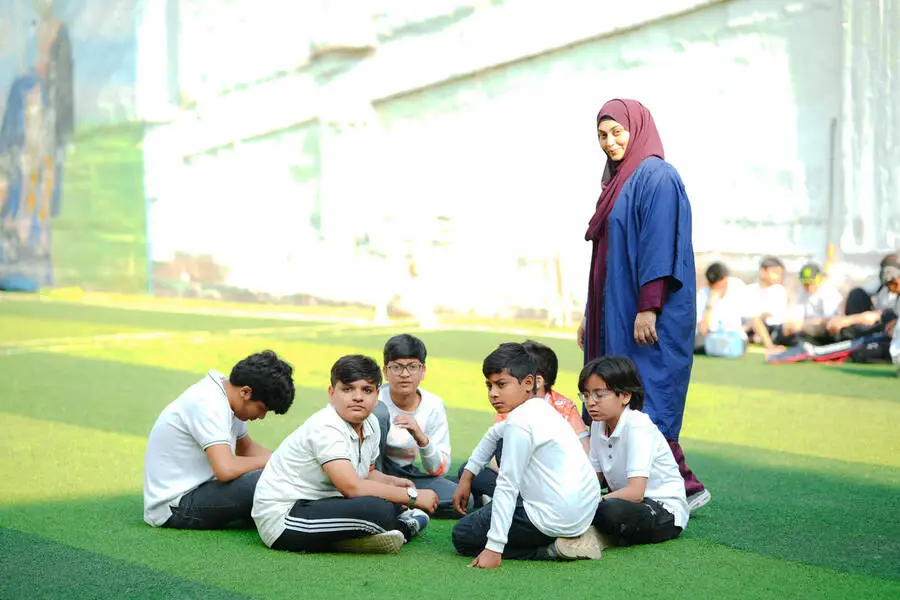
Children benefit when the adults around them share clear expectations. If a school encourages punctuality, respectful behaviour, reading and responsibility, parents can reinforce those habits at home. Likewise, parents’ observations can help teachers understand a child’s interests, worries and progress.
This partnership is another important reason families consider Islamic schools. Academic progress and personal development can be discussed together rather than treated as unrelated issues. A parent meeting can cover marks, but it can also cover confidence, friendships, effort and learning habits.
There is no single answer for every family. Some parents are looking for Quranic understanding. Others want a structured environment, strong manners or a school where faith and education are not separated. Most families are looking for a combination of these things.
The right school should still be judged carefully. Parents should ask how lessons are taught, how teachers support different learners, how Islamic studies are explained and how the school communicates with families. A name or promise is not enough; the daily experience matters.
For families searching for Islamic schools in Karachi, Noor-ul-Emaan School offers education from Nursery to Grade 10. Its approach brings together academic learning, Quranic education, Islamic values, counselling and character development. Parents can contact the school to discuss programmes, availability and admission requirements.
To ask a question or arrange a visit, use the school’s Contact page.
A balanced Islamic school can support academic learning, Quranic understanding, good character, discipline, respectful communication and a stronger partnership between parents and teachers.
Many families choose an Islamic school because they want academic education and Islamic learning to be part of one consistent environment. The best decision depends on the child, the family and the quality of the school.
Yes. A well-rounded school teaches subjects such as English, Mathematics and Science alongside Quranic and Islamic education.
They can. Parents should ask about the curriculum, assessments, board preparation and academic support available for the relevant grade.
Parents should review the programmes, ask about teaching and support, understand the admission process, confirm current fees and visit the campus when possible.