
Copyright © 2026 Noor-ul-Emaan School, All rights reserved.
Home » How Does Islamic Education Support a Child’s Character Development?
Islamic education supports a child’s character development by teaching values such as honesty, kindness, patience, respect, and responsibility, and helping children apply them in everyday life. Through learning from the Quran and the teachings of Prophet Muhammad (peace be upon him), children can understand why good character matters and how their choices affect others. For example, a child practises honesty by admitting a mistake, kindness by helping a classmate, and responsibility by keeping a promise.
However, character development involves more than memorizing religious lessons. Children also need positive role models, opportunities to practise good behavior, and guidance from parents and teachers. In Pakistan, the National Curriculum Council has published a Character Education Curriculum for ECE to Grade 12, reflecting the importance of character education in the local educational context.
For families in Karachi, understanding this connection can help when considering how a child’s school environment supports both academic learning and moral development. When Islamic teachings connect with daily actions, children can develop values they carry into their relationships, studies, and future responsibilities.
Islamic education helps children connect religious teachings with the way they think, speak, and behave. It introduces them to the principles of right and wrong while encouraging them to consider how their actions affect other people. The aim is not simply to know Islamic teachings, but to understand their meaning and put them into practice.
The Quran emphasizes qualities such as honesty, fairness, keeping promises, and treating others justly. For example, Surah Al-An’am (6:152) teaches believers to speak justly, even when speaking about close relatives, and to fulfill their commitments. These principles can help children understand that good character means doing what is right, even when it is difficult.
In everyday life, this learning can take practical forms. A child may learn to tell the truth after making a mistake, share classroom resources fairly, speak respectfully during a disagreement, or complete a responsibility without being repeatedly reminded. When parents and teachers explain the values behind these actions and model them consistently, children have more opportunities to develop good habits.
Islamic education can also help children reflect on their choices. Instead of only telling a child that an action is wrong, an adult can explain why it may have hurt someone and how the child can make things right. This approach encourages children to understand the impact of their behavior and gradually take greater responsibility for their decisions.
Therefore, Islamic education can contribute to character development when religious knowledge is supported by positive examples, everyday practice, and thoughtful guidance. Children need opportunities to see these values in action and apply them in their relationships at home, at school, and in the wider community.
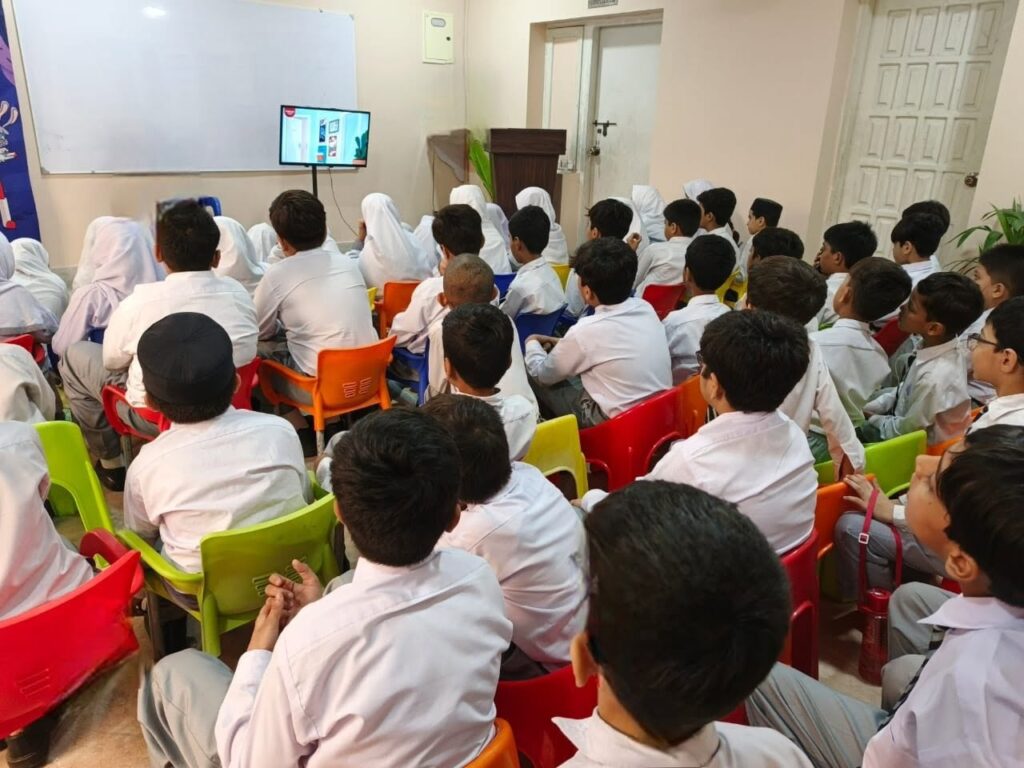
Islamic character development includes several connected qualities that influence how children treat others, respond to challenges, and fulfill their responsibilities. Values such as honesty, respect, compassion, patience, and fairness give children practical guidance for everyday situations.
Honesty and Trustworthiness:
Honesty teaches children to tell the truth, while trustworthiness encourages them to keep promises and handle responsibilities reliably. These qualities help children build healthy relationships with parents, teachers, and classmates.
For example, a child who admits to breaking a classroom item instead of blaming someone else is practising honesty. Returning something borrowed and completing an agreed task also demonstrate trustworthiness. Adults can strengthen these habits by appreciating truthful behavior and responding to mistakes calmly, so children understand that telling the truth matters even when the situation feels uncomfortable.
Respect and Good Manners
Adab refers to appropriate manners and conduct, including how people speak, listen, and behave toward others. Children can practise respect by listening without interrupting, speaking politely, caring for shared spaces, and disagreeing without insulting someone.
Respect should also be demonstrated by adults. When teachers listen to students’ concerns and correct behavior without humiliating them, children see how dignity and good manners work in practice. At home, parents can encourage children to express their opinions respectfully while learning to consider other people’s feelings and perspectives.
Kindness, Empathy, and Compassion
Kindness encourages children to help others, while empathy helps them consider how another person might feel. Together, these qualities can support more thoughtful friendships and reduce unkind behavior.
A child may show compassion by including a classmate who is sitting alone, helping someone who is struggling with an assignment, or offering comfort when a friend feels upset. Rather than treating these actions as small gestures, parents and teachers can explain why they matter and encourage children to notice when someone needs support.
Responsibility and Fairness
Responsibility means understanding that actions have consequences and that commitments should be taken seriously. Fairness involves treating people justly rather than making decisions based only on personal preference or friendship.
Children can practise responsibility by looking after their belongings, completing assigned classroom tasks, and acknowledging when their actions have affected someone else. Fairness can be encouraged through sharing resources, taking turns, following the same rules for everyone, and listening to both sides of a disagreement before deciding what happened.
These habits become particularly important as children grow older and take on more independent academic and social responsibilities. Families can explore how these qualities fit into a values-led learning environment through Noor-ul-Emaan School’s Primary Education programme, which includes Islamic Studies, Quranic learning with translation, respect, and responsibility.
Ultimately, these values are connected. Honesty builds trust, respect supports healthy relationships, compassion encourages care for others, patience helps children manage challenges, and responsibility guides their choices. Together, they give children a practical foundation for developing good character.
A school’s contribution to character development goes beyond its Islamic Studies lessons. The way a school establishes expectations, treats students, manages disagreements, and recognizes positive behavior can influence how children understand respect, fairness, and responsibility in a shared environment.
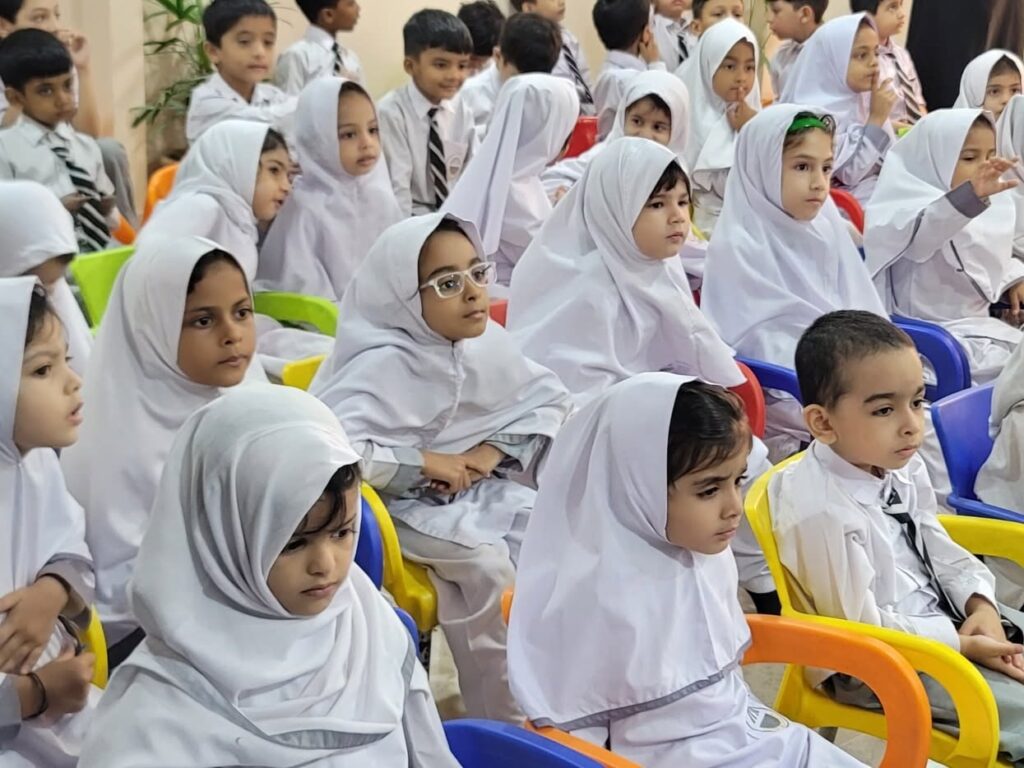
Children need to feel safe asking questions, expressing concerns, and participating in classroom activities. Teachers can support this by setting clear expectations for respectful communication, preventing bullying, and ensuring students are treated fairly regardless of their academic ability.
When students understand that everyone deserves dignity, they can learn to build healthier relationships with classmates. A respectful classroom also gives children the confidence to seek help when they face difficulties rather than hiding problems out of fear.
Islamic Studies lessons can become more meaningful when teachers connect concepts from the Quran, Sunnah, and Islamic teachings with situations children recognize. A discussion about fairness, for example, can explore how students should share classroom resources or resolve disagreements during group work.
Teachers can use age-appropriate stories, classroom discussions, and practical scenarios to help students understand how Islamic principles apply to daily decisions. The goal is to help students understand the relevance of what they learn, rather than treating moral education as information to memorize for an examination.
Consistent classroom rules help children understand their responsibilities and the consequences of their choices. Expectations might include completing assigned work, respecting school property, following agreed procedures, and allowing others to participate without interruption.
Rules should be explained clearly and applied fairly. When children understand why an expectation exists, they are better positioned to recognize its purpose rather than viewing it as an arbitrary restriction.
Simple household responsibilities can help children learn to contribute to family life. Younger children might put away their toys, while older children may help organize their school materials or complete an agreed household task.
The responsibility should match the child’s age and ability. Rather than expecting immediate perfection, parents can gradually increase responsibilities as children become more capable of managing them.
When parents notice a positive action, explaining what was helpful can make the lesson clearer. Instead of offering only general praise, they might say, “You told me what happened even though you were worried about getting into trouble. That was an honest choice.”
Specific feedback helps children recognize the behavior being encouraged. It is also important to appreciate effort and improvement, not just outcomes, so children understand that developing good habits takes time.
Islamic education can support a child’s character development by connecting Islamic teachings with the choices children make in everyday life. Qualities such as honesty, respect, compassion, patience, and responsibility become more meaningful when children have opportunities to understand and apply them at home and at school.
Parents and educators both contribute to this process by providing appropriate guidance, clear expectations, and a learning environment where children can develop these qualities over time. Consistency between home and school can further help children understand how their values should guide their actions.
For parents exploring these priorities in Karachi, Noor-ul-Emaan School is a useful place to learn more about an educational approach that brings academic learning and Islamic education together. Exploring the school’s programs can help families decide whether its approach suits their child’s learning needs and their family’s educational goals.
Islamic education helps children understand the values that guide their behavior, relationships, and decisions. Through Quranic teachings, Islamic Studies, and practical guidance, children can learn to apply principles such as honesty, fairness, compassion, and responsibility in everyday situations.
Important values include honesty, trustworthiness, respect, kindness, patience, self-discipline, fairness, and responsibility. These qualities help children build positive relationships, manage challenges, and understand their responsibilities toward others.
Parents can teach Islamic values through everyday conversations, age-appropriate responsibilities, shared activities, and clear guidance when mistakes happen. Explaining why a behavior matters can help children understand the principle behind it rather than simply following a rule.
Teachers support character development by creating a respectful classroom environment, setting fair expectations, addressing conflicts constructively, and connecting Islamic lessons with real-life situations. Communication between teachers and parents can help reinforce these lessons across school and home.