

Copyright © 2026 Noor-ul-Emaan School, All rights reserved.
A child who can spell with confidence can read more fluently, write more freely and communicate ideas more clearly. If you are looking for practical spelling tips for kids, you do not need expensive worksheets or long study sessions. A calm routine of about 10 minutes a day can make a real difference.
At Noor-ul-Emaan School, an Islamic primary school in Karachi, we encourage children to learn English through sounds, patterns, reading, writing and meaningful practice. The ideas below are simple enough for home and flexible enough for children from the early primary years through Class 5.
Early years built on sounds, reading and spelling
Individual attention for every young learner
Full curriculum with daily Quranic learning
Central location on Allama Iqbal Road
Spelling is more than remembering a list for Friday’s test. When children connect speech sounds with letters, they strengthen the same knowledge used for reading. They also begin to recognise common patterns, syllables, word endings and word families.
Reading Rockets explains that spelling instruction helps children map and store written words in memory. Read its Basics: Spelling guide for more background on phonics, patterns and word structure.
Good spelling also reduces the effort needed to write. When a child is not stopping at every word, they can focus on choosing interesting vocabulary, organising ideas and expressing themselves. That confidence matters in schoolwork, exams and everyday communication.
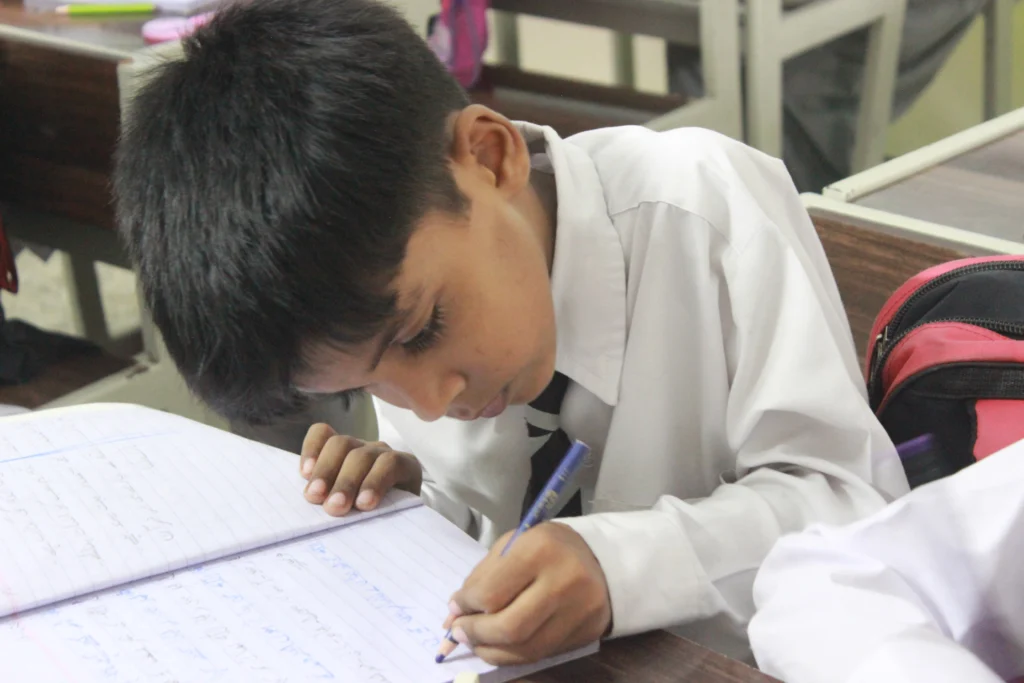
Keep practice short, positive and regular. Choose five words at a time and stop while your child still feels successful.
Ask your child to say the word slowly and listen for each sound. In cat, for example, the sounds are /c/ /a/ /t/. This phonics-first approach helps children build a word instead of guessing or memorising it blindly.
Long words look less intimidating when children divide them into manageable parts. Clap the syllables in beautiful — beau-ti-ful — and practise one chunk at a time. Later, discuss which letters work together inside each chunk.
Let your child look carefully at the word, say it aloud, cover it, write it from memory and check the result. This active recall is more useful than copying the same word repeatedly without looking away.
Group words that share a pattern. If a child knows light, add night, right, bright and fight. Comparing a group helps children notice the spelling pattern and transfer it to a new word.
Some spellings need extra help. For because, try “Big Elephants Can Always Understand Small Elephants.” Encourage your child to invent a funny sentence of their own; a personal memory is often easier to recall.
Reading gives children repeated exposure to correctly spelled words. Ten minutes of a favourite story, comic or age-appropriate book can help a word start to “look right” over time.
Small daily practice is usually more effective than a long session the night before a test. Review yesterday’s words, add a few new ones and revisit any tricky spellings without turning mistakes into a punishment.
Invite your child to write a shopping list, an Eid card for Nani, a label for a toy box or a note to Baba. When writing has a purpose, children are more willing to check their spelling.
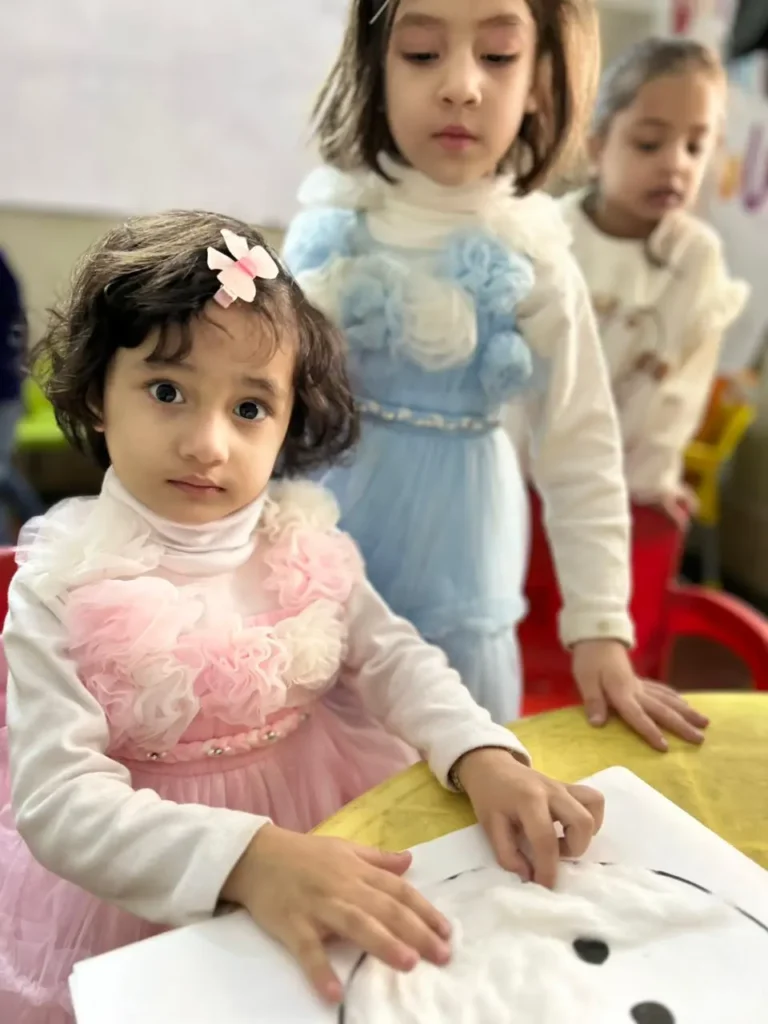
Trace a word in sand or salt, tap once for each syllable or spell aloud while stepping on letter cards. Using more than one sense can make practice memorable, especially for younger learners.
Point out the words your child got right, then choose one or two spellings to improve. Specific encouragement builds persistence; a page covered in red marks can make children afraid to try.
Parent tip: When you visit a primary school, ask to see a child’s English notebook. The way teachers mark spelling and give feedback tells you more about their approach than any brochure.
Children learn more willingly when practice feels like play, so try a spelling game for 10 to 15 minutes. In Spelling Ludo, a child spells a word correctly to earn a dice roll, while Whiteboard Hangman works well with words from school topics and a sound clue. On a drive, pick a road sign like bakery or pharmacy and spell it aloud together, or give your child a highlighter to hunt for words with patterns such as ai or -tion in a storybook. For online practice, try LearnEnglish Kids by the British Council or the Oxford Owl primary spelling guide.

In a Muslim home, learning can be connected to purpose, gratitude and good character. These ideas keep spelling practice warm and meaningful without making the session heavy.
Begin with Bismillah and a du’a. Start with “Rabbi zidni ‘ilma” “My Lord, increase me in knowledge” from Surah Ta-Ha 20:114. You can read the verse on Quran.com before beginning the activity.
Use meaningful vocabulary. Build a weekly list from words children already understand and value, such as mosque, prayer, Prophet, charity, Ramadan, mercy, grateful, honest and neighbour. Familiar meaning makes a new spelling easier to remember.
Choose one spelling for Islamic terms in your home routine. Children may see Ramadan and Ramzan, or Quran and Qur’an, in different places. Explain that variations exist, then follow the spelling used by your school materials so the child receives consistent practice.
Teach sabr through mistakes. When a word goes wrong again, pause and try a different strategy: say the sounds, split the syllables or write the word in a sentence. The message is that patience supports improvement.
Aim for ihsan, not perfection. Careful checking, neat effort and respectful behaviour are valuable learning habits. Praise the process as well as the correct answer.
You can read the relevant Qur’anic references for Surah Al-‘Alaq 96:1–5, Surah Ta-Ha 20:114 and
Surah Al-Baqarah 2:153 https://quran.com/2/153
Children who speak Urdu, Sindhi or another language at home bring valuable language knowledge to English learning. They may also make predictable spelling choices based on how a word sounds. Treat these as useful clues about what to teach next.
Common attempt | Correct spelling | What may be happening | Quick fix |
becoz | because | Writing the word as it sounds | Use a memory sentence. |
frend | friend | The silent i is missing | “I’ll be your fr-I-end to the end.” |
there / their | depends on meaning | Homophones sound alike | Here is inside there: a place. |
tommorow | tomorrow | Uncertainty about doubled letters | One m, two r’s. |
hav / giv | have / give | The silent e is missing | English words rarely end in v. |
skool | school | Sound recorded without the pattern | Group with school, scheme and schedule. |
Keep a small “tricky words” list on the fridge or inside a notebook. When a word is spelled correctly for three days, cross it off and celebrate the progress.
When comparing schools, ask how English spelling is taught alongside reading and writing. Look for regular phonics practice in the early years, meaningful reading time, opportunities to write and feedback that helps children improve rather than simply marking errors.
At Noor-ul-Emaan School, our Primary Education programme focuses on academic growth, communication, concept-based learning and character. Our broader approach combines English and other academic subjects with Quranic learning and Islamic values. Visit the
Noor-ul-Emaan School website to learn more about the school.
For families considering an Islamic primary school in Karachi, it is also useful to ask about class size, parent communication, reading resources, assessment and how teachers support children who need more time. A short campus visit can help you understand the classroom environment.
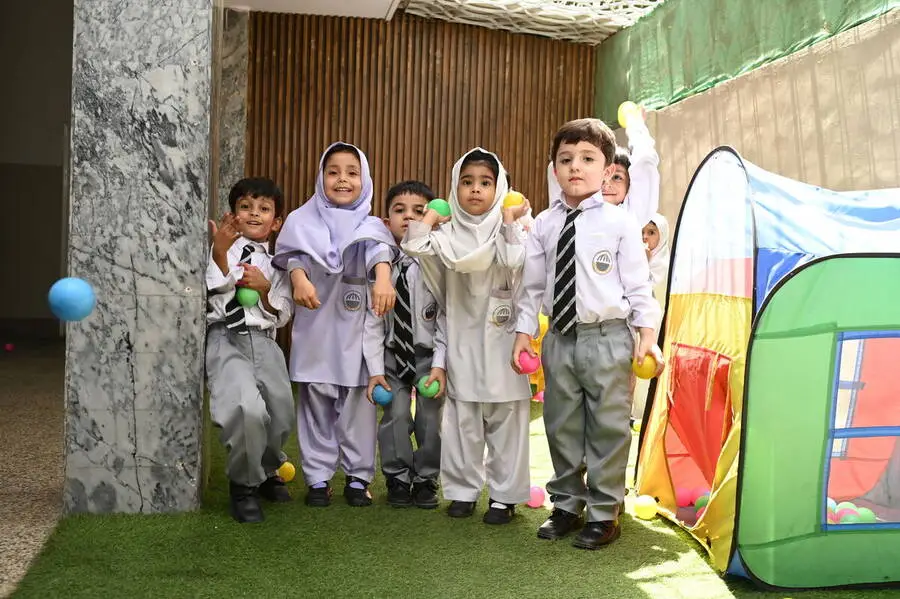
Consistency matters more than a perfect routine. If your child is tired, practise one word well and try again tomorrow.
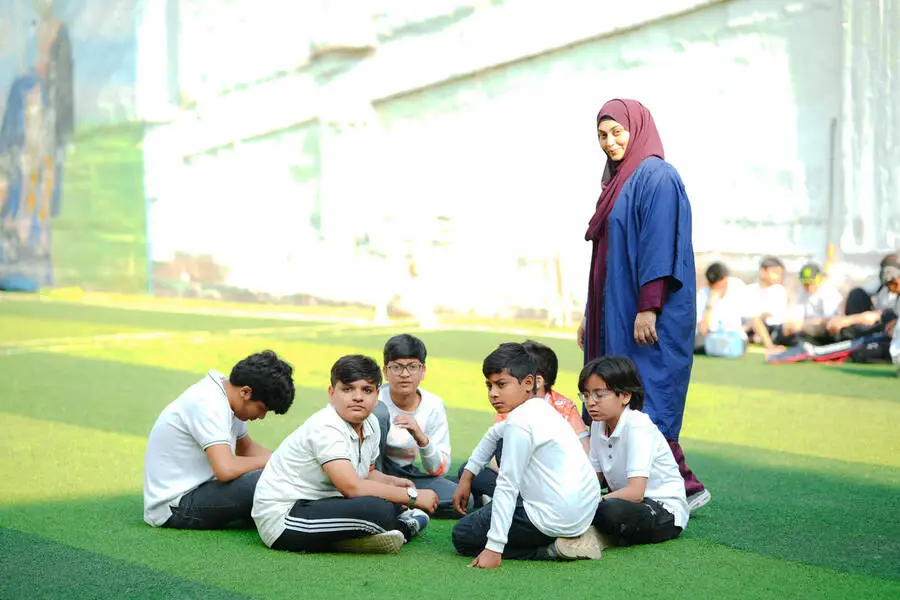
Good spelling is built through repeated, purposeful contact with words. Ten calm minutes, daily reading, phonics and encouraging feedback can gradually turn uncertainty into confidence.
That is how we see education at Noor-ul-Emaan School: strong English, strong character and strong faith growing together. If you would like to understand our approach or ask about admissions, please visit our
Admissions page or Contact page to speak with the school team.
Practise five words a day using look, say, cover, write, check. Add daily reading and one short spelling game. Short, regular practice is usually more effective than a long session once a week.
For many children, about 10 minutes a day is enough when practice happens most days. Adjust the time for age, attention span and any guidance from the child’s teacher.
Children usually begin with phonics and early sound-to-letter work in the early years, often around ages 4 or 5. They then move towards spelling simple words as they become more confident with sounds and letters.
That is a normal stage and shows that your child is listening to the sounds in words. Teach common spelling patterns, word families and tricky words gradually.
Ask how phonics, reading, spelling and writing are taught together. Also ask about reading time, class feedback, parent communication and support for children who learn at different speeds.
A du’a gives practice a positive purpose, Islamic vocabulary makes word lists meaningful, and values such as sabr and ihsan encourage children to keep trying and take care with their work.