
Copyright © 2026 Noor-ul-Emaan School, All rights reserved.
Home » Islamic School Environment in PECHS Karachi
When parents in PECHS start looking for a school, one question comes up again and again: “Should I only consider schools that offer a Hifz-ul-Quran programme?
Hifz is a valuable and respected path. But it is only one part of your child’s education. The daily Islamic school environment your child learns in, from how teachers speak to how mistakes are corrected, shapes their character just as much.
A child spends six or more hours at school every day. During that time, character is shaped by the way teachers speak, the way mistakes are handled, the way classmates treat one another and the way honesty, discipline and compassion are practised. For many families, the right choice is a school that brings together Quranic learning, strong academics and a consistent Islamic environment.
This guide explains why school culture matters alongside Hifz, what a strong Islamic school environment looks like in practice, and which questions to ask when comparing schools. The goal is not to dismiss Hifz. It is to help your family make a balanced choice based on your child’s needs, readiness and long-term growth.
Full curriculum with daily Quranic learning
Individual attention for every child
Qualified female staff, modest environment
Central location on Allama Iqbal Road
A Hifz programme focuses on memorising the Quran. The wider school environment shapes almost everything else in your child’s day: classroom manners, friendships, discipline, confidence, study habits and the way knowledge connects with real life.
These priorities do not have to compete. A child can memorise Quranic verses beautifully, but their education becomes far stronger when they also understand the meaning, develop good conduct and learn how Islamic values apply to everyday decisions.
Think of it this way: a programme is something a school offers, but an environment is something a school is. Two schools may both offer Hifz, yet feel completely different once you walk through the gate. One may be calm, respectful and encouraging. The other may rely on pressure and fear. The programme name is the same, but the child’s experience is not.
That is why it helps to look at the whole school culture, not just the name of one programme.
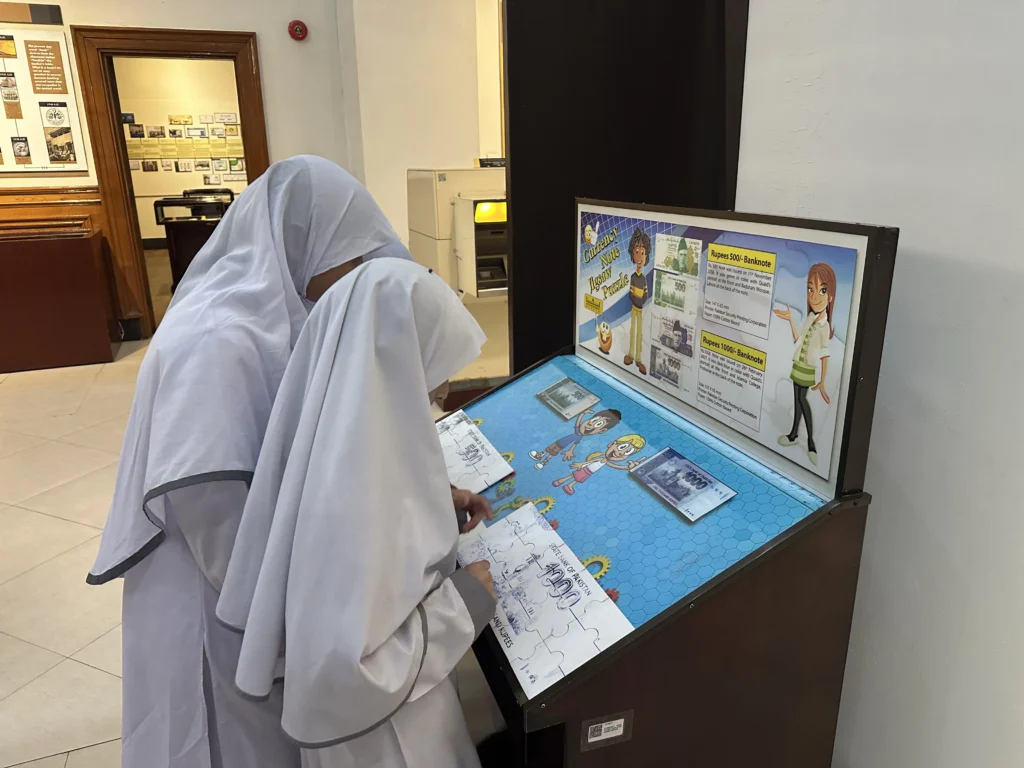
A strong Islamic education helps children learn the Quran, understand its guidance and live by good character every day.
Many parents comparing an Islamic school in Karachi check whether Islamic Studies appears on the timetable. That is a good start, but the more useful question is how Islamic values show up in teaching, discipline, assemblies, relationships and daily routines.
Research on values, character and moral education highlights personal qualities like self-discipline and perseverance, along with relational qualities like respect, fairness and civility. A respectful classroom does not take time away from learning. It actually supports student engagement and academic progress.
Here are four things to look for.
Understanding alongside memorisation. Students should have the chance to understand what they recite and connect Islamic teachings with their manners, responsibilities and daily choices. When a child learns that a verse is about honesty or kindness, it becomes a guide they can use, not just words they can repeat.
Learning through example. Children watch closely how adults speak, how they correct mistakes, how they respond to questions and how they treat others. A teacher who stays patient with a struggling student teaches more about sabr than any lesson on the topic. Good character is taught as much by example as by lessons.
Starting the day well. A good assembly does more than share announcements. It can include Quran recitation, a short reflection, a reminder about good manners or recognition of students who showed kindness or effort. These few minutes set the tone for the whole day.
Building curiosity and confidence. Students should be encouraged to ask “why” and “how”, solve problems and apply what they learn beyond the textbook. Islam encourages reflection and seeking knowledge, so a classroom where questions are welcomed fits naturally within an Islamic environment. Read more about this in our article on concept-based learning.
What does all this look like in practice? Here is how values can show up across an ordinary school day:
None of these moments is dramatic on its own. Together, repeated every day for years, they shape who a child becomes.
Students should understand the Quran and Hadith with Tafseer, learn Islamic values through teachers’ examples, develop discipline and motivation through morning assemblies, and build curiosity and confidence through concept-based academic learning.
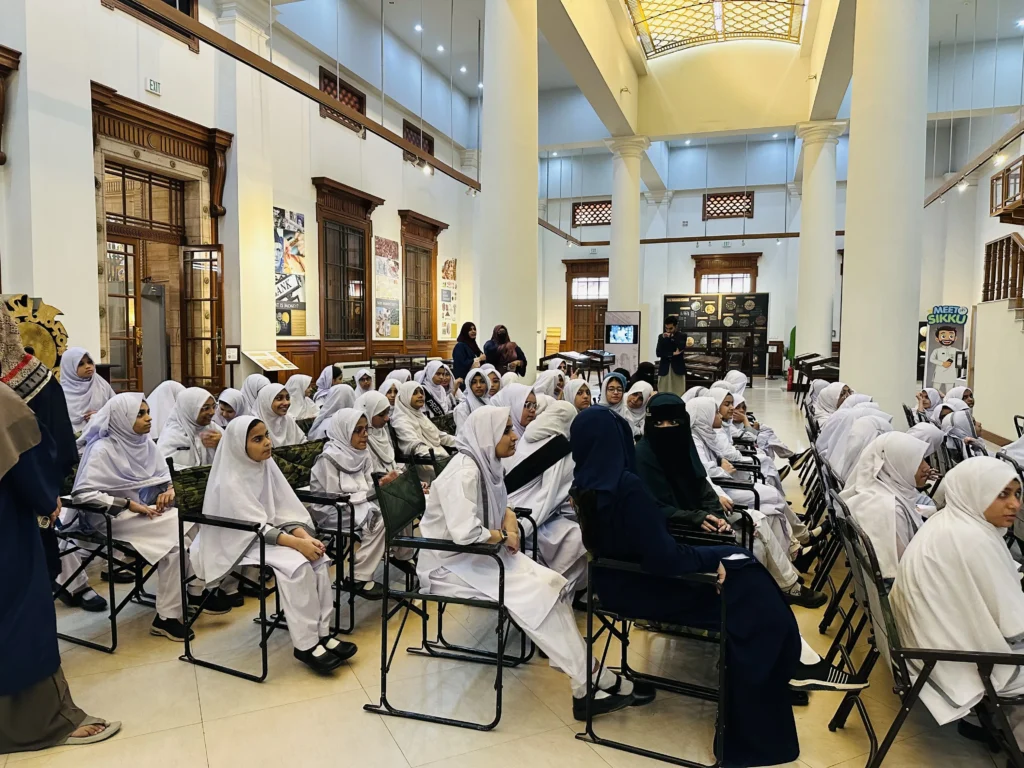
Parents should not have to choose between Islamic values and academic preparation. A complete education helps students develop both. Noor-ul-Emaan School describes its approach as a combination of English, Mathematics, Science and other academic subjects with Quran, Hadith, Tafseer and character building.
| Education stage | What parents can look for | School programme |
|---|---|---|
| Pre-Primary Nursery–KG2 | Play-based learning, kindness, basic Islamic manners, language and social confidence. | Pre-Primary Education |
| Primary Classes 1–5 | Strong foundations in English, Maths and Science alongside Quranic learning with translation. | Primary Education |
| Secondary Classes 6–10 | Independent thinking, discipline, responsibility, counselling and Karachi Board preparation. | Secondary Education |
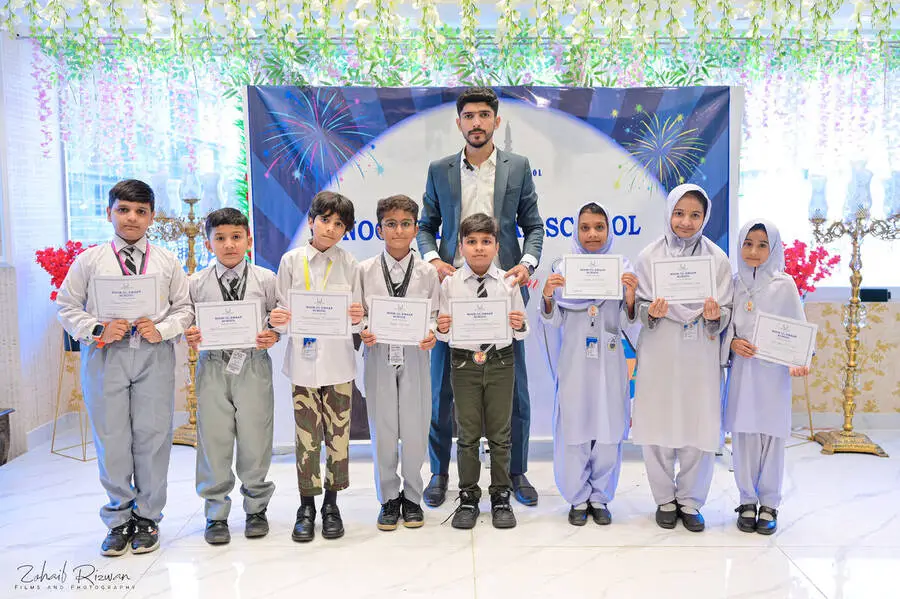
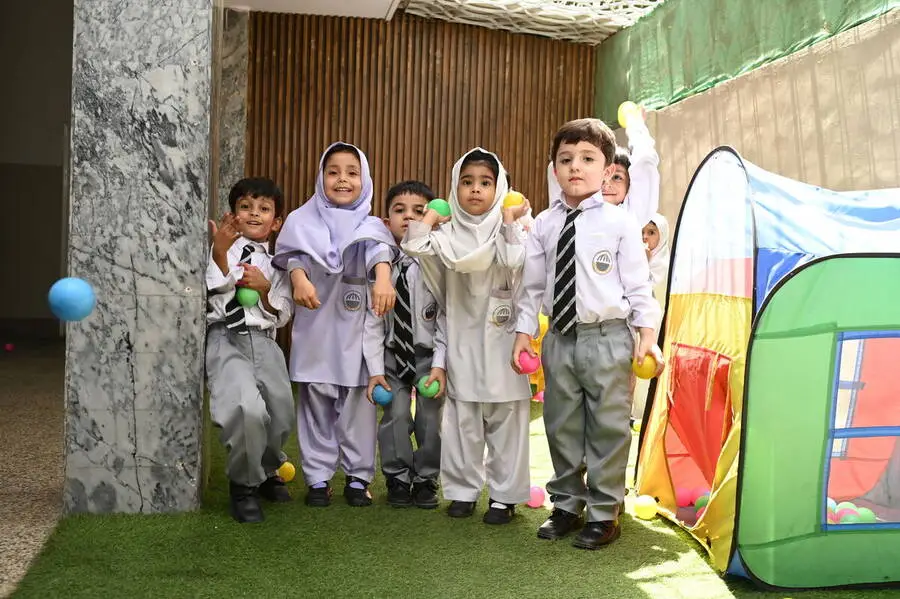
From early childhood to secondary education, values should be taught in an age-appropriate way. Younger children may learn through stories, play and routines. Older students can discuss responsibility, honesty, self-discipline and independent decision-making.
The right question is not whether Hifz is good or bad. The better question is whether the programme, pace and wider school environment match your child’s needs and your family’s goals. Some children and families are ready for the time commitment of Hifz, while others may benefit from Quranic learning with translation, Tafseer and a balanced academic schedule.
According to Noor-ul-Emaan School’s official information, its Hifz-ul-Quran programme is optional and starts from Class 1. Parents should contact the school directly to confirm the current structure, timetable, eligibility, academic arrangement and available places.
Before choosing a school, visit the campus and ask the same questions at every shortlisted institution. This makes the comparison practical and helps you look beyond advertising claims.
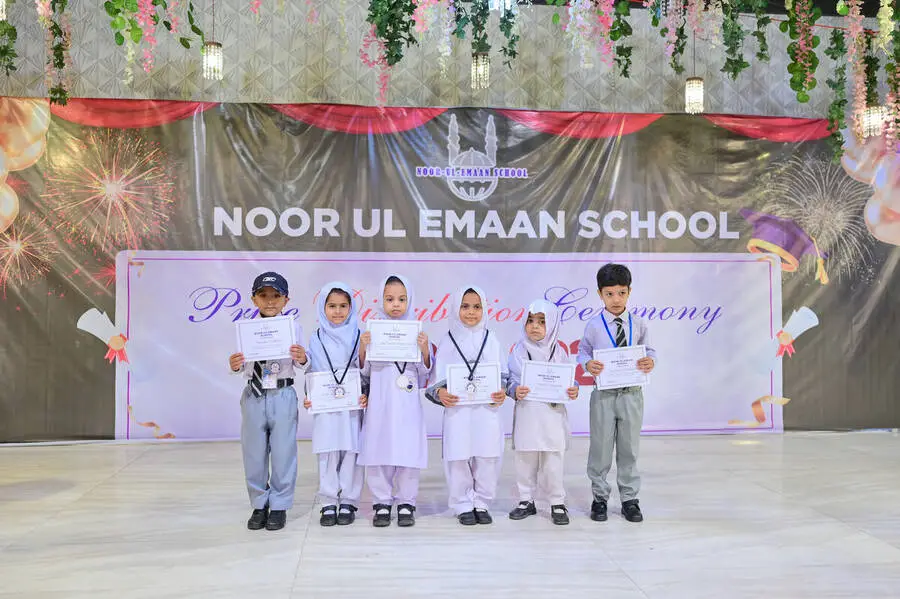
| Area to compare | Questions parents should ask |
|---|---|
| Islamic education | Are Quran, Hadith and Islamic subjects taught with meaning, guidance and good character? |
| Hifz programme | Is Hifz optional or compulsory? What is the schedule, pace and academic arrangement? |
| Teaching approach | Does the school focus on understanding, questioning and practical learning? |
| Student support | Are counselling and additional academic support available? |
| Class environment | How many students are usually in a class, and how much individual attention is provided? |
| Karachi Board | How are students prepared for board examinations while developing real understanding? |
| Parent communication | How often are progress updates and parent-teacher meetings arranged? |
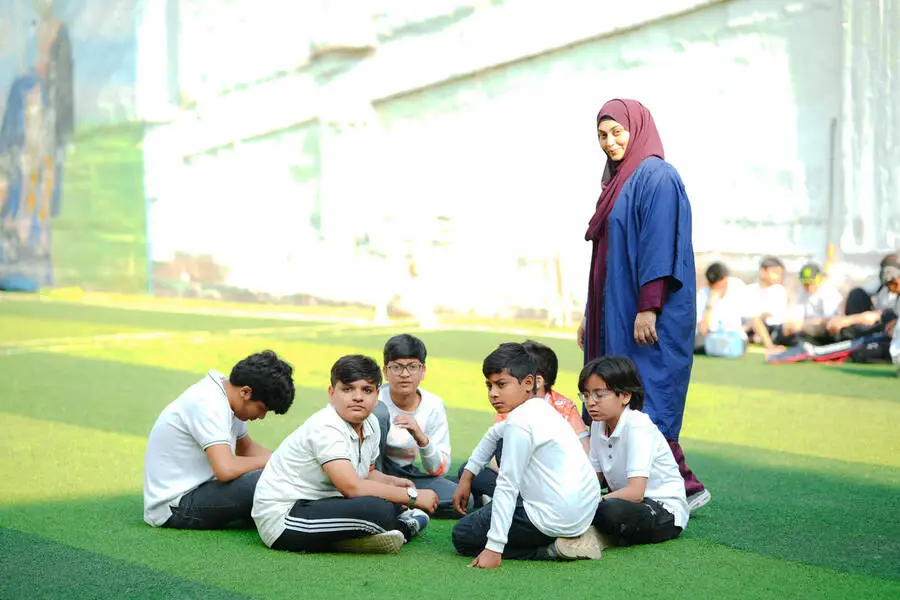
A website can explain a school’s programmes, but a campus visit helps parents understand its atmosphere. Observe how teachers communicate with students, how younger children are supported, how questions are answered and how discipline is handled.
Ask about class size, counselling, admissions, timings, transport and the current Hifz option. If possible, visit during regular school hours so you can experience the environment beyond a prepared open house.
Here is a simple side-by-side comparison that many parents find helpful when making the final decision:
| Factor | Islamic School | Regular Private School |
|---|---|---|
| Academics | Full national curriculum with board exam preparation | Full national curriculum with board exam preparation |
| Quran & Islamiat | Daily part of school routine with Tajweed and duas | Usually limited to one Islamiat period |
| Character building | Built into daily school culture | Depends on individual teachers |
| Evening madrassah needed? | Usually not, saving time and money | Often yes, adding extra cost and travel |
| Environment | Modest, disciplined, supervised | Varies from school to school |
| Parent involvement | Regular ceremonies, result days and open communication | Often limited to parent-teacher meetings |
A website can explain a school’s programmes, but a campus visit helps parents understand its atmosphere. Observe how teachers communicate with students, how younger children are supported, how questions are answered and how discipline is handled.
Ask about class size, counselling, admissions, timings, transport and the current Hifz option. If possible, visit during regular school hours so you can experience the environment beyond a prepared open house.
A school should prepare children for examinations while also helping them become confident, responsible and thoughtful. Academic results are important, but children also need communication skills, self-discipline, emotional support and a clear sense of right and wrong.
For families looking for an Islamic school in PECHS Karachi that combines modern academic learning with Islamic values, Noor-ul-Emaan School offers concept-based teaching, Quran and Hadith with Tafseer, Karachi Board preparation, counselling, extracurricular activities and education from Pre-Primary through Secondary levels. Parents can read more on the About Us page or review the latest admission information.
No. Hifz is one valuable programme. A school’s everyday teaching, manners, role modelling, Quranic understanding, discipline and character-building practices also matter.
The school’s official website states that Hifz-ul-Quran is an optional programme starting from Class 1. Parents should contact the admissions team for the latest structure and details.
Look for Quran and Islamic subjects with understanding, respectful teachers, good discipline, academic quality, counselling support, parent communication and a safe, consistent school environment.
The school provides education from Pre-Primary through Secondary, with students progressing toward Class 10 and Karachi Board preparation
Parents can use the school’s Contact page to enquire about a campus visit, current classes, timings and admission requirements.